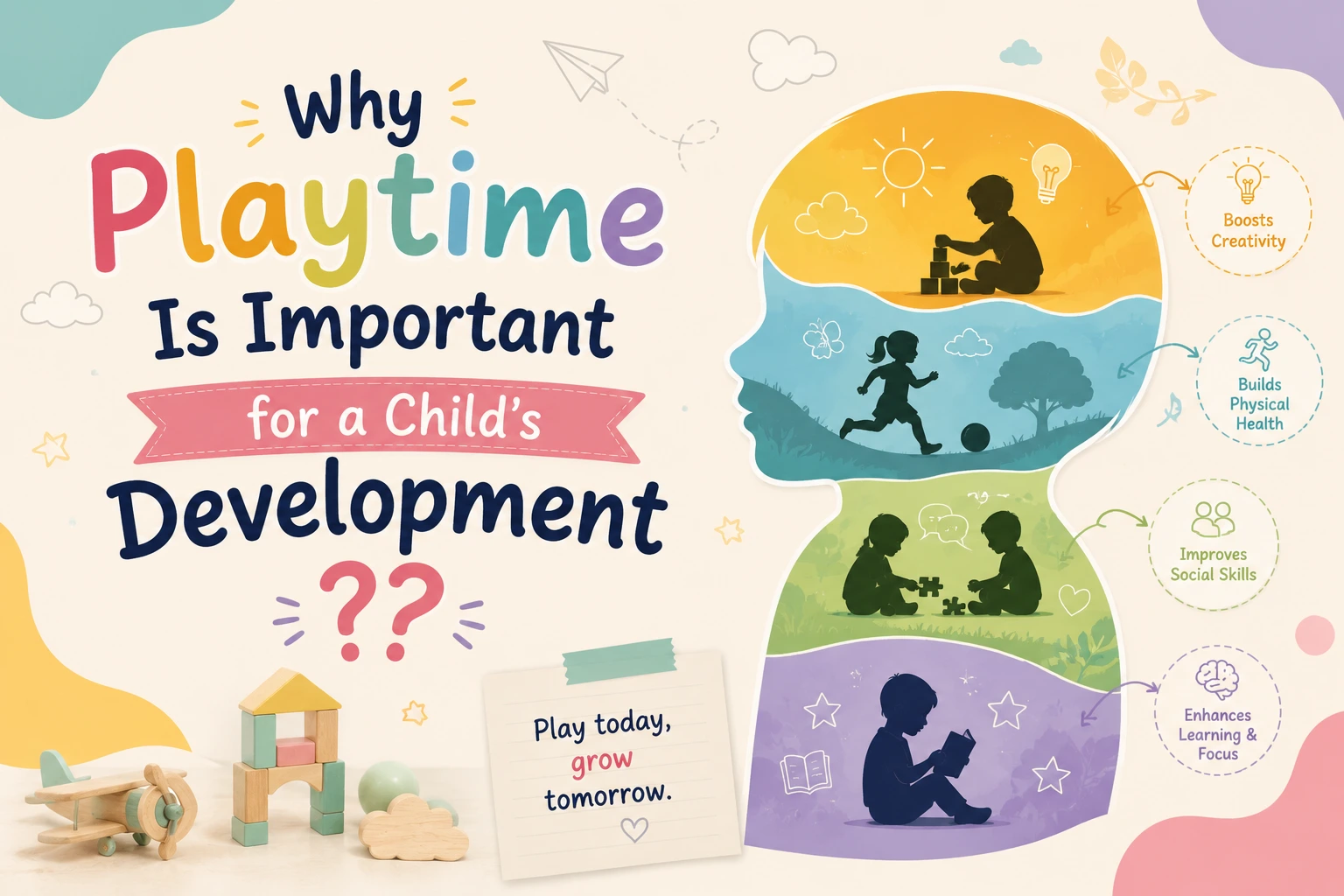
For children, playtime is much more than a way to have fun. It is one of the most natural and effective ways they learn about themselves, other people, and the world around them. Whether they are building with blocks, solving puzzles, playing pretend, drawing, or simply running outdoors, every play experience can help children develop important skills.
In today’s busy world, children often spend more time with screens and structured activities. Making time for free and meaningful play can give them the opportunity to explore, imagine, experiment, and grow at their own pace.
What Is the Role of Play in Childhood?
Play gives children the freedom to learn through experience. Instead of simply being told how something works, children can touch, build, move, create, and discover things for themselves.
Different types of play support different areas of development. A puzzle may encourage problem-solving, while pretend play can improve communication and imagination. Outdoor games can support physical development, while board games can teach children patience and turn-taking.
1. Supports Brain Development
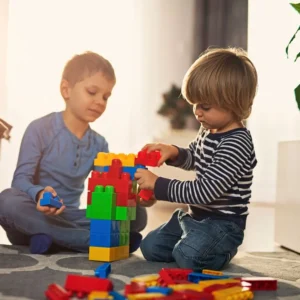
Play encourages children to think, observe, remember, and make decisions. Activities such as puzzles, matching games, building blocks, and memory games can challenge children to find solutions and understand patterns.
These experiences help children practice thinking skills in an enjoyable and engaging way.
2. Encourages Creativity and Imagination
A simple toy can become anything in a child’s imagination.
A cardboard box can become a car, a doll can become a teacher, and building blocks can become a castle. Pretend play allows children to create their own stories and explore different ideas.
This freedom encourages creativity and helps children become confident in expressing their thoughts.
3. Develops Physical Skills
Active play is important for children’s physical development. Running, jumping, climbing, throwing, and balancing can help children improve coordination, strength, balance, and body control.
Even indoor activities such as building blocks, drawing, threading, and playing with puzzles can support fine motor skills and hand-eye coordination.
4. Builds Social Skills
Playing with siblings, friends, or parents gives children opportunities to interact with others.
During group play, children learn important lessons such as:
- Sharing toys
- Taking turns
- Communicating
- Cooperating
- Following simple rules
- Understanding others’ feelings
- Handling disagreements
These skills can help children build healthier relationships as they grow.
5. Improves Communication Skills
Play creates many opportunities for children to use language.
During pretend play, children may create conversations, tell stories, ask questions, and describe what they are doing. Games and activities also encourage children to listen and communicate with others.
Parents can make this even more valuable by talking with children about their games and asking open-ended questions.
6. Helps Children Develop Problem-Solving Skills
Play allows children to experiment without feeling pressured to get everything right.
Imagine a child building a tower that keeps falling. They may try using different blocks, changing the structure, or creating a wider base. Through this simple experience, they are learning to identify a problem, try a solution, and make adjustments.
These small moments can help develop logical and critical thinking.
7. Builds Confidence and Independence
When children complete a puzzle, create a drawing, build something, or learn a new game, they experience a sense of achievement.
Allowing children to explore and solve age-appropriate challenges independently can help them become more confident. It also teaches them that making mistakes is a normal part of learning.
8. Supports Emotional Development
Play can also provide children with a healthy way to express their emotions.
Through pretend play, drawing, storytelling, or role-playing, children may express feelings and experiences that they find difficult to explain directly.
Play can also help children relax, have fun, and enjoy positive interactions with the people around them.
9. Encourages Curiosity and Learning
Children are naturally curious. Play gives them a chance to ask questions and discover answers through experience.
For example, building toys can introduce basic concepts of shapes and balance, while counting games can make numbers more interesting. Educational toys can make learning feel like an exciting discovery rather than a classroom activity.
10. Strengthens the Parent-Child Bond
Playtime is also a wonderful opportunity for parents and children to spend quality time together.
Playing a board game, completing a puzzle, building something, or simply participating in pretend play can create happy memories. It also gives parents an opportunity to understand their child’s interests, personality, and way of thinking.
How Parents Can Make Playtime More Meaningful
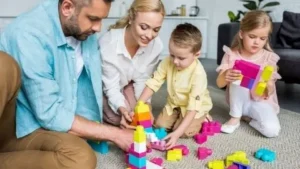
Parents don’t need expensive toys or complicated activities to create valuable play experiences. Simple ideas can make a big difference:
- Give children time for both structured and free play.
- Choose toys that match their age and interests.
- Encourage creativity instead of focusing only on the final result.
- Let children make mistakes and try again.
- Join their play when possible.
- Ask questions that encourage them to think.
- Include both indoor and outdoor activities.
- Reduce unnecessary screen time and create opportunities for hands-on play.
The Importance of Choosing the Right Toys
Toys can play an important role in making playtime engaging and meaningful. Building sets, puzzles, musical toys, pretend-play sets, board games, art activities, and educational games can encourage different types of learning.
The best toy isn’t necessarily the most complicated one. A good toy is one that encourages children to explore, create, think, and enjoy themselves.
Conclusion
Playtime is an essential part of childhood. It helps children develop cognitive, physical, social, emotional, and creative skills while giving them the freedom to have fun and explore.
Every game, puzzle, block, drawing, story, and pretend adventure can become a small learning opportunity.
At Kidsplore, we believe childhood should be filled with opportunities to Play, Learn, and Explore. By giving children the time, space, and right toys to play, parents can help turn everyday moments into meaningful experiences that support their growth and development.
Because when children play, they don’t just have fun—they discover, create, learn, and grow.