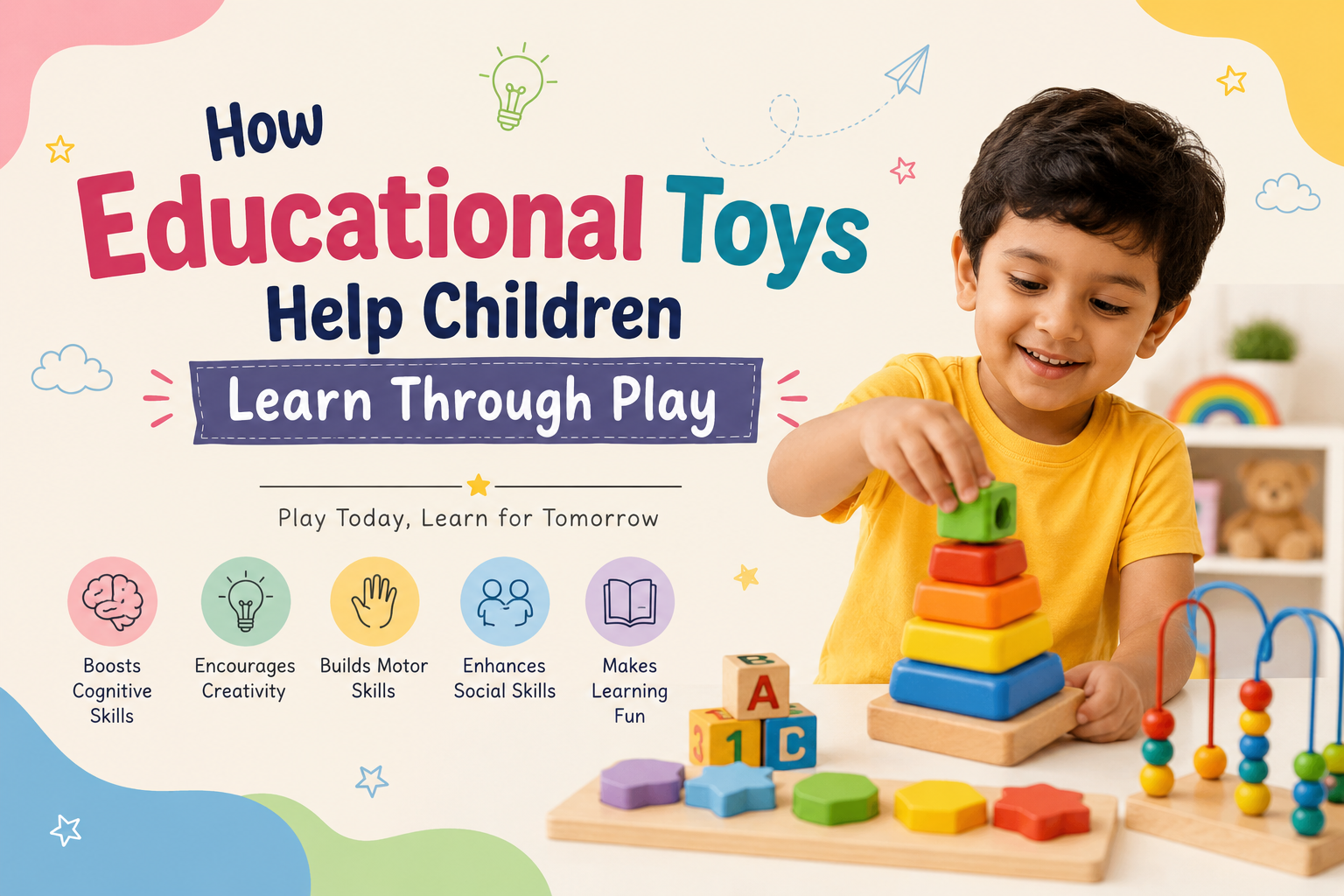
Children learn best when they are having fun. Play is more than just entertainment—it is an important part of childhood development. Educational toys make playtime more meaningful by helping children explore new ideas, develop important skills, and understand the world around them.
From puzzles and building blocks to musical toys, pretend-play sets, and activity games, the right toys can turn everyday play into an exciting learning experience.
What Are Educational Toys?
Educational toys are designed to encourage children to learn while they play. They can help develop skills such as problem-solving, creativity, communication, coordination, memory, and logical thinking.
Unlike traditional learning methods, educational toys allow children to learn naturally through hands-on experiences. They can experiment, make mistakes, try again, and discover solutions on their own.
1. Encourages Creativity and Imagination
Toys such as building blocks, art sets, dolls, pretend-play sets, and construction toys give children the freedom to create their own stories and ideas.
When children build a house with blocks or pretend to be a doctor, chef, or teacher, they are using their imagination. This type of creative play helps children express themselves and think beyond what they see around them.
2. Develops Problem-Solving Skills
Puzzles, matching games, sorting toys, and construction sets encourage children to think and find solutions.
For example, when a child tries to complete a puzzle, they learn to observe shapes, recognize patterns, and decide where each piece belongs. Even when they make mistakes, they learn to try different approaches.
This makes play an enjoyable way to develop problem-solving abilities.
3. Improves Motor Skills
Many educational toys involve physical activities that help children improve their fine and gross motor skills.
Building blocks, threading toys, stacking rings, puzzles, and drawing activities can improve hand-eye coordination and finger control. Active toys can also encourage children to move, balance, and coordinate their bodies.
4. Makes Learning Fun
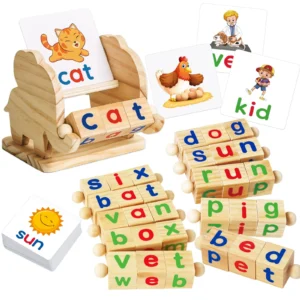
Learning does not always have to happen through books or worksheets. Educational toys can introduce concepts such as numbers, letters, colors, shapes, and sounds in an entertaining way.
When children enjoy an activity, they are more likely to stay interested and participate actively. This can make learning feel like play rather than a task.
5. Builds Social and Communication Skills
Playing with other children teaches valuable social skills. Board games, role-play sets, and group activities encourage children to communicate, share, cooperate, and take turns.
Through pretend play, children can also practice conversations and understand different roles and situations.
6. Develops Logical Thinking
Educational games can encourage children to understand relationships between objects and recognize patterns.
Sorting toys, memory games, counting activities, and matching games introduce children to basic logical concepts. These activities encourage them to observe carefully and make connections.
7. Builds Confidence and Independence
Completing a puzzle, building something successfully, or solving a game challenge can give children a sense of achievement.
Educational toys often allow children to explore at their own pace. When they discover an answer independently, they develop confidence and become more willing to try new challenges.
Choosing the Right Educational Toy
Every child is different, so choosing a toy according to their age, interests, and developmental stage is important.
Parents can consider:
- Age appropriateness: Choose toys designed for the child’s age group.
- Interests: Select toys based on what the child enjoys.
- Learning goals: Look for toys that encourage creativity, logic, coordination, or communication.
- Safety: Choose well-made toys with child-friendly materials and appropriate design.
- Open-ended play: Toys that can be used in multiple ways can encourage creativity and imagination.
Let Children Learn at Their Own Pace
The best part of learning through play is that children do not always realize they are learning. They are simply exploring, experimenting, creating, and having fun.
Parents can support this process by giving children time to play independently while also joining them occasionally. Asking simple questions such as “What are you building?”, “What happens if you try this?”, or “Can you find the matching piece?” can make play even more engaging.
Conclusion
Educational toys can transform ordinary playtime into an opportunity for discovery and development. They encourage children to think creatively, solve problems, improve coordination, communicate with others, and build confidence—all while having fun.
At Kidsplore, the idea is simple: Play, Learn, Explore. The right toy is not just something a child plays with—it can become a tool for curiosity, creativity, and learning.
So, the next time you choose a toy for your little one, look beyond entertainment. Choose something that inspires them to play, discover, and grow.